Best Impact Drivers for DIY and Prosumers (2026)
Driving long screws by hand — or with a struggling drill? This research-based roundup sorts impact drivers into compact, all-rounder, and high-torque classes so you pick the right one.
The Short Answer
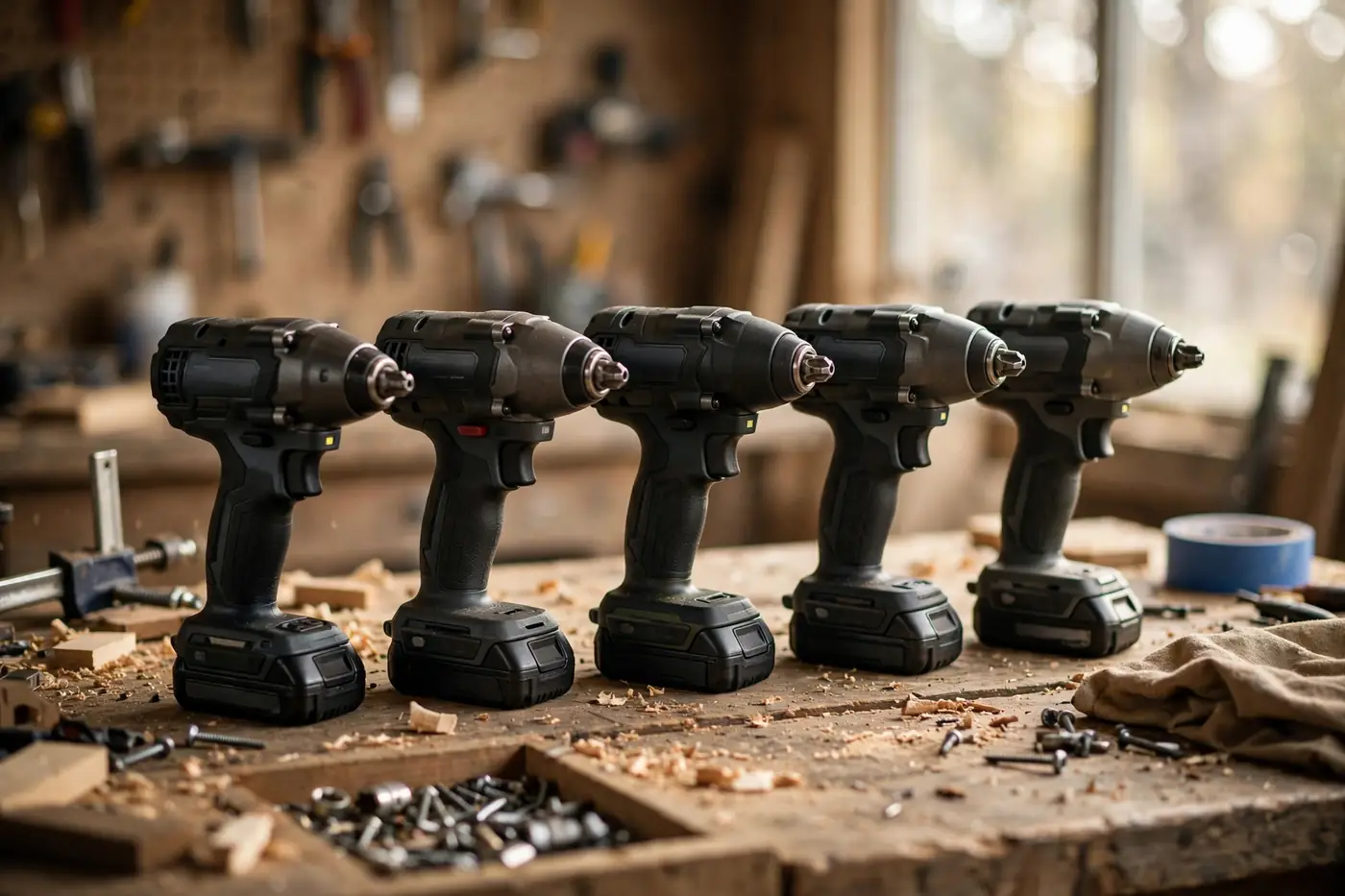
An impact driver is the tool you reach for when screws get long and lumber gets dense — it drives fasteners a drill would struggle with, without twisting your wrist. For most DIYers, an 18V-class all-rounder on a battery platform you already own is the right buy. Go compact for tight spaces, high-torque only for genuinely big fasteners.
Key Takeaways
- Impact drivers excel at driving fasteners; drills excel at drilling holes — most workshops benefit from owning both.
- The 18V-class all-rounder covers the widest range of DIY fastening, from deck screws to cabinet installs.
- Compact 12V-class drivers shine in tight spaces and overhead work where weight and length matter.
- High-torque drivers are for structural screws and lag bolts — overkill for general DIY.
- Buy into a battery platform, not just a driver: your next five tools will follow the battery.
In This Guide
How We Picked: Our Methodology
A note on how this roundup was put together. Our picks are research-based: we compiled them from manufacturer-published specifications, official product documentation, and widely reported user feedback from DIYers, woodworkers, and prosumer builders — not from hands-on testing. We have not personally hands-on tested every model discussed here, and we name no specific model as “tested by us.”
Specifications and prices change frequently. Before buying, verify current specs, kit contents, and pricing on the manufacturer’s official page and your retailer’s listing. The use-case classes below are designed to help you evaluate any impact driver on the market.
Best Compact Impact Driver for Tight Spaces
The compact class — typically 12V-class tools, though compact 18V-class models exist — is built for access. Inside cabinets, between studs, under sinks, overhead on a ladder: anywhere a full-size driver is too long or too heavy, the compact driver earns its keep. It drives the screws of everyday DIY — cabinet hardware, hinges, electrical boxes, light fixtures — with control and without fatigue.
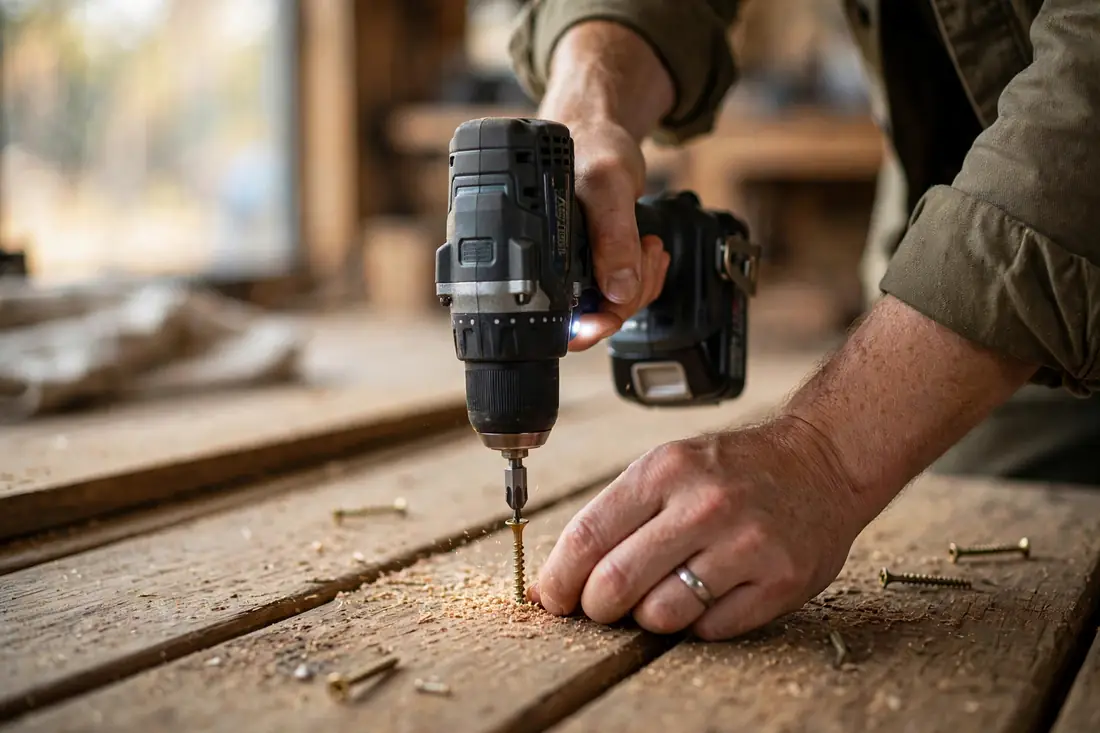
What to look for: short head length (the distance from the back of the tool to the bit tip matters more than overall length), light weight with a compact battery installed, and a variable-speed trigger with good low-speed control. Most compact drivers offer multiple speed or mode settings; the lower settings are genuinely useful for small screws and delicate hardware where a full-power blast would strip or snap the fastener. A bright, well-placed LED work light matters more on a compact driver than on any other tool, because you use these tools in dark cabinets and corners.
Trade-offs: less driving authority. Long deck screws and structural fasteners will expose the limits of a compact driver quickly — it will do the job slowly or not at all, and pushing it invites overheating and drained batteries. The smaller batteries also mean more frequent swaps during sustained driving sessions. And like compact drills, the 12V platform may offer fewer tools to expand into, so check the family before you commit.
Best for: finish and install work, cabinet and hardware installation, electricians and anyone working in finished spaces, and as a second driver alongside a full-size model. If you are still deciding between tool types, our drill vs impact driver explained guide lays out exactly where each tool shines.
Best All-Round Impact Driver for Most DIYers
The 18V-class all-rounder is the impact driver most people should buy. It drives deck screws, fence screws, and long construction screws without breaking a sweat, handles the occasional lag bolt with the right socket adapter, and still works fine for lighter tasks when you dial the speed down. If you own one impact driver, this is the class.
What to look for: a brushless motor, multiple speed settings (three is common and genuinely useful — low for small fasteners, medium for general work, high for long screws), and a one-handed 1/4-inch hex chuck that grips bits securely. Check the platform: this driver should share batteries with your drill, and ideally with a circular saw and other tools you plan to buy. Kit configurations with two batteries are the smart buy for project work. Also note the noise — impact drivers are loud by nature, and some models run noticeably quieter than others, which your household will appreciate.
Trade-offs: size and weight. An 18V-class driver with a full-size battery is bulkier than a compact model, making tight-space work awkward. It is also easy to overdrive small screws if you leave it on high — the power that makes long screws effortless will snap a small brass hinge screw without hesitation. Technique matters: learn the trigger and use the lower speed settings. For a deeper look at matching tool to task, see our drill guide alongside this roundup.
Best for: deck building, fence installation, general construction-style DIY, and anyone who wants one driver that handles 90 percent of fastening tasks. This is the default recommendation for a reason.
Best High-Torque Impact Driver for Big Fasteners
The high-torque class exists for fasteners that make standard drivers work hard: structural screws, large lag bolts, timber fasteners, and heavy-duty anchoring. These are typically 18V-class tools tuned for maximum driving force, sometimes with specialized modes for self-tapping screws or controlled tightening.
What to look for: high output paired with control — the best high-torque drivers offer multiple modes including precision or assist modes that prevent snapping fasteners or stripping heads. A robust 1/4-inch hex chuck is standard; some users in this class move up to impact wrenches with square drives for the biggest fasteners, which is worth considering if your fasteners are truly large. Plan on high-capacity batteries: sustained high-torque driving is demanding, and small packs will fade fast. Comfort matters too — the concussive action of a high-torque driver transmits more vibration, so grip design and tool balance deserve attention.
Trade-offs: everything about this class is more — more power, more weight, more noise, more cost. For general DIY fastening it is overkill, and the extra bulk makes it clumsy for everyday screws. There is also a real risk of fastener damage: a high-torque driver on full power will shear smaller screws and strip heads if you are not careful. Unless your project list regularly includes structural fasteners, this class buys capability you will rarely use and may misuse.
Best for: timber framing, deck builders driving structural screws, anyone regularly setting large lag bolts, and prosumer builders whose fasteners start where standard drivers stop. Before committing, read our overview of battery platforms — high-torque tools lock you into a platform’s top tier, so choose the family deliberately.
Class-by-Class Comparison
Class-level characteristics of each impact driver category. Individual models vary — verify the spec sheet before buying.
| Criterion | Compact Class | All-Round 18V-Class | High-Torque Class |
|---|---|---|---|
| Voltage class | Typically 12V; some compact 18V | 18V/20V max platform | 18V/20V max, high-output |
| Chuck | 1/4 in hex, quick-change | 1/4 in hex, quick-change | 1/4 in hex (or square-drive wrench) |
| Speed/mode settings | Usually 2–3 modes | Usually 3 modes/speeds | Multiple modes incl. precision |
| Driving authority | Light to medium fasteners | General construction fasteners | Structural screws, lag bolts |
| Weight class | Lightest | Mid-weight | Heaviest |
| Battery approach | Compact packs; frequent swaps | Standard packs; 2-battery kits best | High-capacity packs recommended |
| Best workload | Tight spaces, install work | Decks, fences, general DIY | Timber framing, structural work |
How to Choose an Impact Driver
Start with your fasteners. Make a quick mental inventory: are you mostly driving 2- to 3-inch screws into wood, or are structural screws and lag bolts on the agenda? The former is all-rounder territory; the latter points to high-torque. If your screws are mostly small — hinges, hardware, electrical — the compact class will feel like it was made for you. Match the class to the fastener, not to your aspirations.
Next, check your battery platform. The ideal impact driver shares batteries with tools you already own — most commonly your drill. If you are starting fresh, look at the whole family: drill, circular saw, reciprocating saw, sander. The driver is one purchase; the platform is a dozen. A slightly less impressive driver on the right platform beats a flagship driver on a dead-end one.
Then consider noise and control. Impact drivers are loud — the hammering mechanism that gives them their power also gives them their racket. If you work early mornings, in attached garages, or in finished homes, look for models noted for quieter operation and use hearing protection regardless. Control matters too: a good variable-speed trigger and usable low-speed modes separate drivers that are pleasant from drivers that are merely powerful.
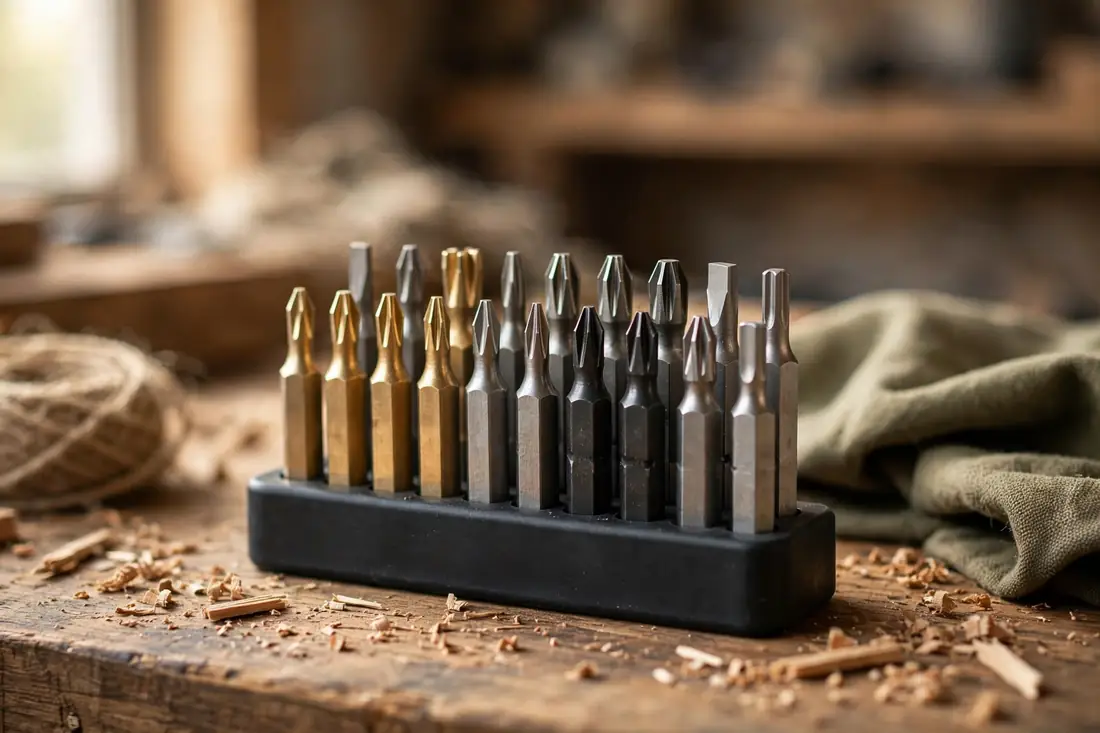
Finally, do not neglect bits. Impact drivers punish cheap bits — the concussive action shatters low-quality steel. Budget for impact-rated bit sets from reputable makers; they last dramatically longer and grip fasteners better. A great driver with bad bits performs like a mediocre driver, while a mid-range driver with excellent bits punches above its weight.
Frequently Asked Questions
Do I need both a drill and an impact driver?
Strictly speaking, no — but most workshops end up with both because each does its job better. Drills drill clean holes and drive with a clutch that prevents overdriving; impact drivers drive long fasteners faster and with less wrist strain. If you can only buy one, a drill is more versatile; if you drive a lot of screws, the impact driver is the upgrade you will feel every time. Our drill vs impact driver explained article walks through the decision in detail.
Can an impact driver drill holes?
Yes, with hex-shank drill bits it can drill holes in wood and light materials. But it is a compromise: no clutch, no keyless chuck versatility, and the hammering action is rough on bits. For clean, precise holes — especially in metal — a drill is the right tool. Think of impact-driver drilling as a convenience, not a capability.
Why is my impact driver so loud?
The noise is the tool working as designed: the internal hammer mechanism strikes the anvil thousands of times per minute to deliver rotational impacts. That is what drives screws without twisting your wrist. Wear hearing protection — the noise level is genuinely high enough to matter over a work session, and some models are noticeably louder than others.
What bits should I use with an impact driver?
Impact-rated bits with 1/4-inch hex shanks. Standard bits can shatter under the concussive force; impact-rated bits use tougher steel and often have a torsion zone that absorbs the blows. Buy a quality set rather than the cheapest option — bit quality is one of the highest-leverage upgrades in fastening.
Is 12V or 18V better for an impact driver?
It depends on the work. 12V-class drivers are lighter and better in tight spaces but have less driving authority; 18V-class drivers handle construction fasteners with ease but are bulkier. Many DIYers eventually own both. Our battery platforms guide explains the platform trade-offs in full.
Your Next Step
Identify your fastener workload, confirm your battery platform, then shortlist two or three drivers in the matching class from established manufacturers. Compare speed settings, kit contents, and noise reports from user feedback — then verify specs and prices on the official pages before buying. Pair your new driver with impact-rated bits from day one, and you will wonder how you ever drove screws without it.