12V vs. 18V Power Tools: Which Battery Platform Is Right for You?
Choosing between 12V and 18V isn’t really about voltage — it’s about committing to a battery family you’ll live with for years. Here’s how to pick the right one.
Here’s the decision in one paragraph: 12V tools are smaller, lighter, and plenty powerful for drilling, driving, and light-duty work — ideal if you value comfort and work in tight spaces. 18V tools are the do-everything standard with the widest tool selection and the muscle for demanding jobs. Most homeowners are best served by picking one platform and staying there, because batteries are the real investment.
On This Page
- What the Voltage Number Actually Means
- The Case for 12V
- The Case for 18V
- Head to Head: Where Each Wins
- The Platform Commitment: Why This Decision Sticks
- Who Should Buy What
- Key Takeaways
- FAQs
What the Voltage Number Actually Means
Voltage is a rough proxy for power potential — higher voltage generally means the tool can deliver more energy to the motor. But it’s not a precision rating, and comparing voltage numbers across brands is misleading: a well-designed 12V tool can outperform a mediocre 18V one, and manufacturers measure and market these numbers differently (you’ll sometimes see 18V and 20V tools that are effectively the same class — that’s marketing, not physics).
The more useful way to think about it: voltage classes are really size-and-capability classes. 12V-class tools are built compact and light for maneuverability. 18V-class tools are built as the full-size, do-everything workhorses. The number on the battery is just the label for that design philosophy.
The Case for 12V
Twelve-volt tools have quietly become some of the best-loved tools in many workshops, and it’s not hard to see why once you hold one.
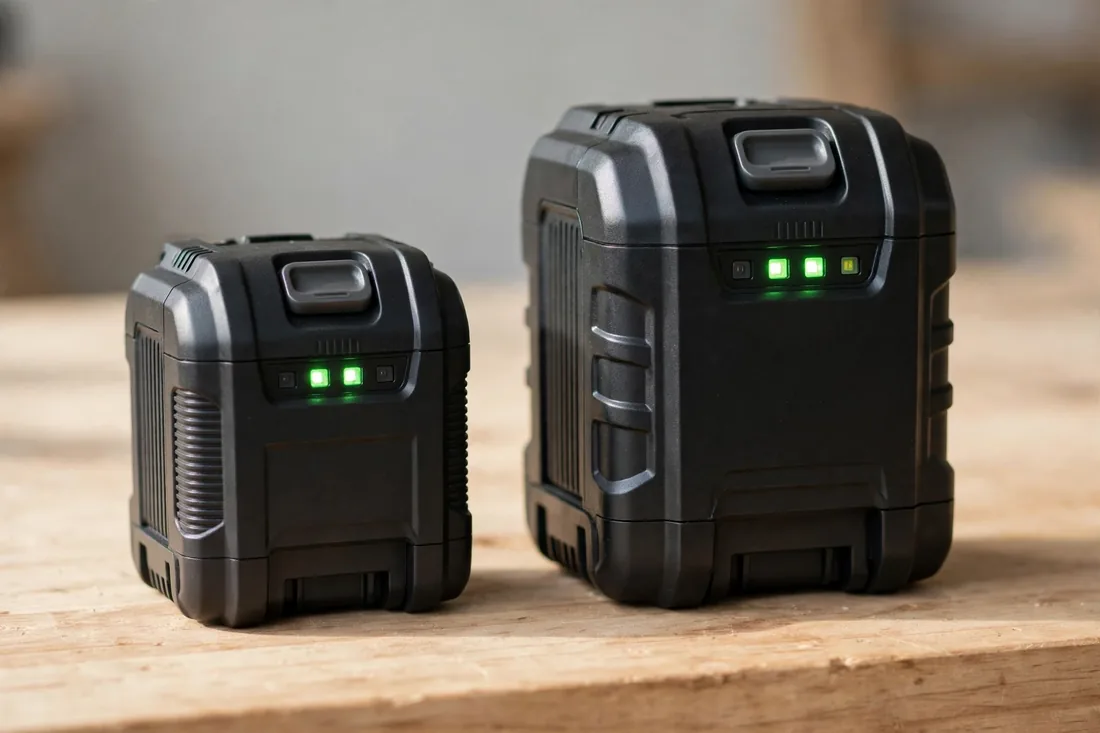
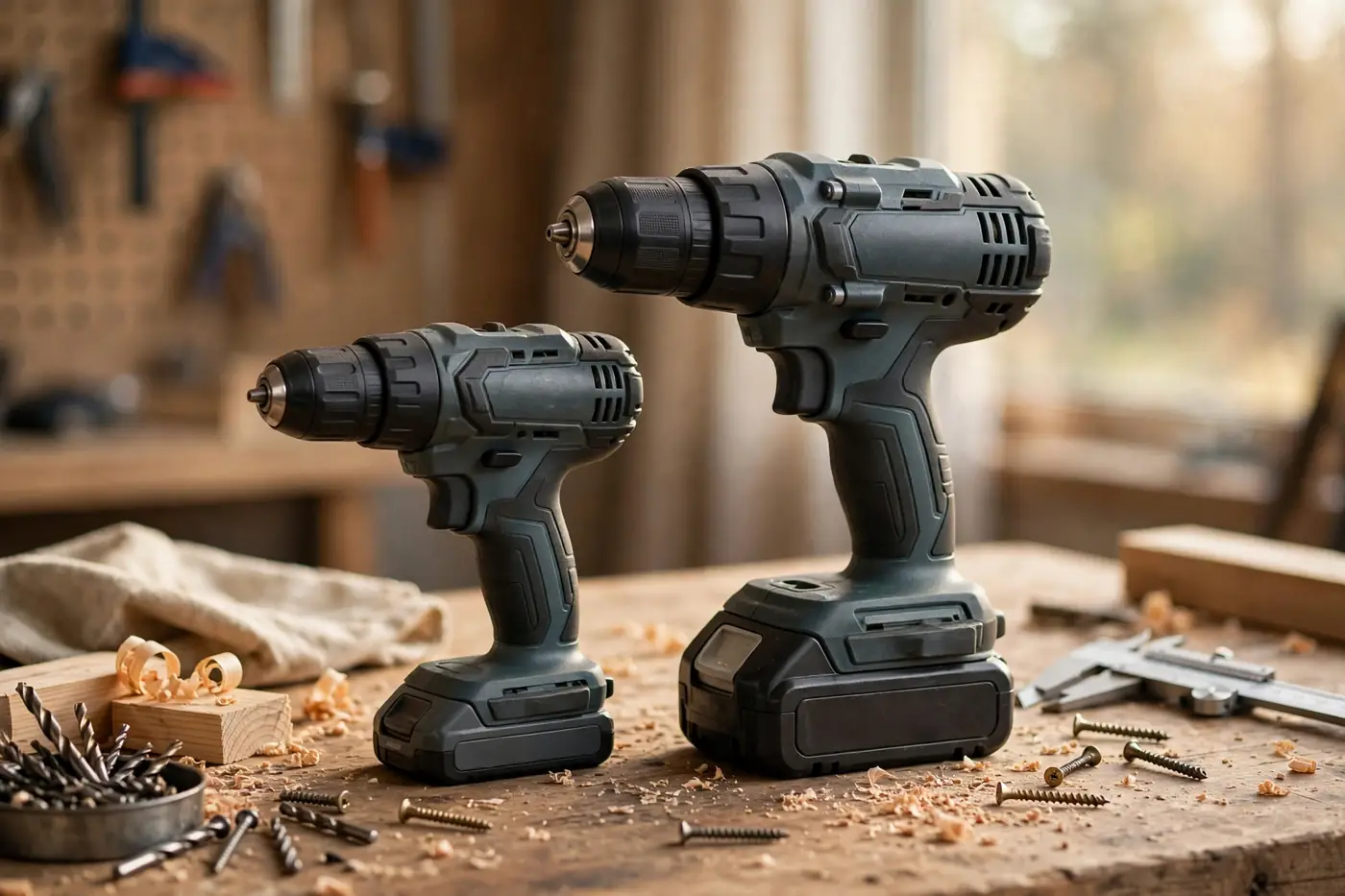
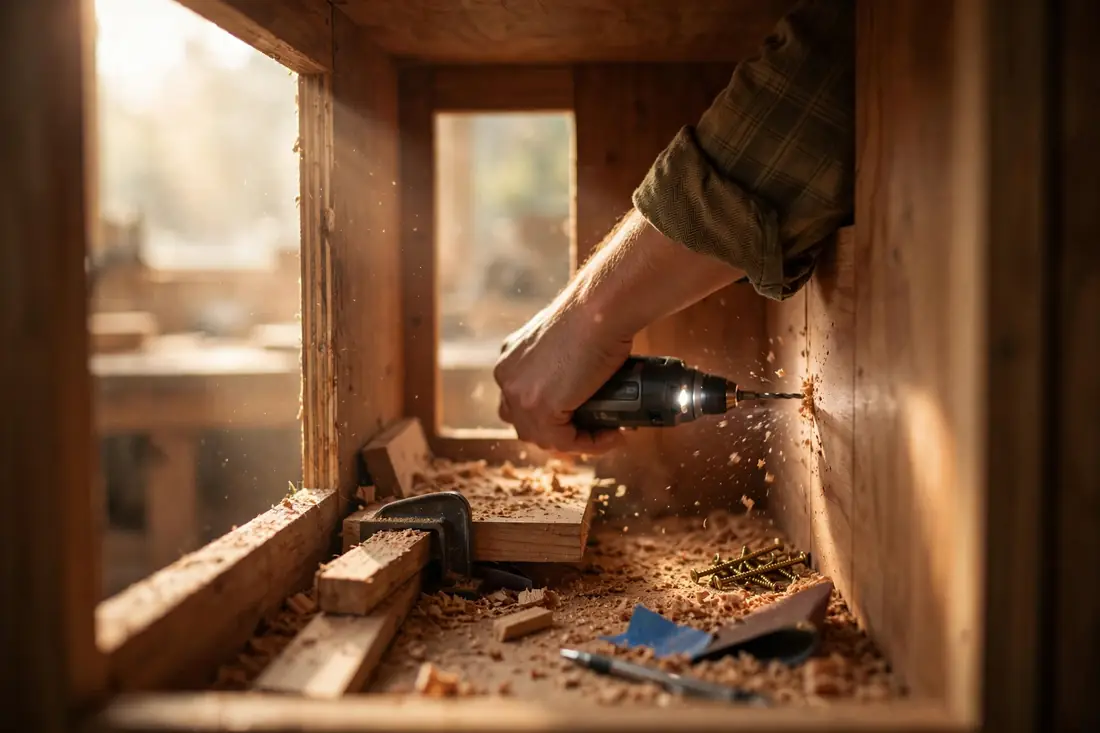
Size and weight. This is the headline advantage. A 12V drill/driver is dramatically smaller and lighter than its 18V sibling — short enough to fit between studs, light enough to use overhead without your shoulder filing a complaint. For cabinet installation, electrical work, HVAC, and anything in tight quarters, compactness isn’t a luxury; it’s the whole job.
Enough power for most driving and drilling. Modern 12V brushless tools handle the vast majority of homeowner fastening: driving 2–3 inch screws, drilling pilot holes, assembling furniture, mounting hardware. They’ll struggle with long lag bolts and big hole saws in dense material — that’s honest — but the everyday stuff is well within their range.
Comfort over long sessions. If you drive a hundred screws in a day, the lighter tool wins on fatigue alone. Pros who own both platforms often reach for the 12V for overhead and repetitive work even when the 18V could do it.
Lower cost of entry. 12V kits and bare tools typically cost less than their 18V equivalents, and the batteries are cheaper to replace. For a first kit on a budget, that matters.
The limitation is breadth: 12V lineups are narrower. You’ll find drills, drivers, and a solid set of compact tools, but the heavy hitters — big circular saws, grinders, mowers, high-demand specialty tools — live in 18V and above. If your ambitions include those, 12V alone won’t cover you.
The Case for 18V
Eighteen-volt (and its 20V-marketing twin) is the default cordless platform for a reason: it’s where the entire industry put its energy.
The widest tool selection. Every major brand’s 18V lineup spans dozens of tools — drills, drivers, saws, sanders, grinders, nailers, yard tools, lights, radios. When you commit to 18V, you’re buying into an ecosystem where your batteries power almost anything you’ll ever want. No other voltage class comes close in breadth.
Full-size capability. An 18V circular saw rips sheet goods, an 18V grinder cuts metal, an 18V reciprocating saw demolishes. These are jobs 12V tools either can’t do or do slowly. If your project list includes real construction — decks, framing, remodeling — 18V is the honest minimum.
One battery system for everything. This is the practical payoff: a handful of 18V batteries and one or two chargers run your entire shop. No juggling platforms, no wondering which battery fits which tool.
The trade-offs are size, weight, and cost. Full-size 18V tools are bulkier — occasionally too bulky for cabinet interiors and tight corners — and heavier over a long day overhead. Kits cost more, and replacement batteries are the priciest in the cordless world. For pure driving and drilling comfort, a compact 12V often feels better in the hand.
Head to Head: Where Each Wins
| Factor | 12V | 18V |
|---|---|---|
| Size & weight | Wins — compact, light, great overhead | Full-size, heavier |
| Driving screws, drilling holes | Handles most of it | Handles all of it, plus the hard stuff |
| Demanding tools (saws, grinders) | Limited selection | Wins — the full lineup lives here |
| Tight spaces | Wins clearly | Often too bulky |
| Tool selection breadth | Good, focused | Wins — dozens of tools per brand |
| Cost of entry | Wins — cheaper kits and batteries | Higher, but more tool for the money |
| Fatigue on long days | Wins — lighter in hand | Heavier, more tiring overhead |
The Platform Commitment: Why This Decision Sticks
Here’s the part most buying guides bury: the voltage decision is really a battery-family decision, and batteries are the expensive part. A bare tool is often the cheap part of the equation; the batteries and chargers are where the money goes. Every battery you buy locks you further into that platform, because batteries don’t cross brands — a 12V pack from one brand won’t run another brand’s tools, and usually won’t even run that brand’s 18V tools.
That lock-in is why “pick a battery family and stay” is the standard advice. Switching platforms later means rebuying batteries and chargers — effectively starting over. So the decision logic runs like this:
- List the tools you’ll realistically own in three years. Not fantasy tools — real ones. Drill? Driver? Circular saw? Sander? Grinder? Yard tools?
- Check which voltage class covers that whole list in the brand you’re considering. If the list includes full-size saws or grinders, that’s 18V.
- Pick the brand on ecosystem strength — breadth of the lineup, battery warranty terms, and whether the tools you want actually exist in that system — not on a single tool’s specs.
- Buy your first kit, then add bare tools. Kits include batteries and chargers at the best per-unit price; bare tools (no battery) are the economical way to expand once you’re invested.
None of this is permanent — plenty of people eventually own both platforms, using 12V for compact work and 18V for heavy work. But that’s an expansion you make deliberately after the first platform is established, not a starting position. Starting split means two chargers, two battery types, and double the confusion.
And whichever platform you choose, the batteries deserve care — our battery care guide covers the habits that keep them healthy for years.
Who Should Buy What
- Apartment dweller / light DIYer: 12V. You’ll never miss the heavy tools, and you’ll love the size every time you open the kit. Pair it with our beginner tool kit list to build out sensibly.
- Homeowner doing real projects (decks, remodeling, furniture): 18V. It’s the only platform that covers the full range of what a house eventually demands.
- Woodworker focused on fine work: 12V for drilling and driving comfort, possibly adding 18V later for the bigger saws. Many woodworkers live happily in 12V for years.
- Automotive / mechanical work: 18V for the impact wrenches and ratchets with real muscle; 12V ratchets and drivers are lovely supplements for tight engine bays.
- Budget-first starter kit: 12V gets you working for less, and the tools hold their value well if you later expand. Just go in knowing the ceiling.
If you’re still torn between cordless altogether versus corded tools, the corded vs cordless debate lays out that decision separately — voltage only matters once you’ve chosen cordless.
Key Takeaways
- 12V means compact, light, and comfortable — ideal for driving, drilling, and tight spaces.
- 18V means full-size capability and the industry’s widest tool ecosystem — the default for real construction.
- Voltage numbers aren’t precision ratings; think of them as size-and-capability classes, and ignore 18V-vs-20V marketing noise.
- The real decision is the battery family, because batteries are the expensive, non-interchangeable part. Pick one platform and stay.
- List your realistic three-year tool list first, then choose the platform that covers all of it.
FAQs
Can I use 12V batteries in 18V tools?
No. Within a brand, 12V and 18V are separate systems with different physical and electrical interfaces. The packs aren’t interchangeable, even within the same brand.
Is 20V the same as 18V?
Effectively, yes — this is marketing. Some brands label the same nominal voltage class as 20V (measuring maximum voltage) while others call it 18V (nominal voltage). They’re the same class of tool; don’t treat 20V as a step above 18V.
Are 12V tools just toys compared to 18V?
Not anymore. Modern 12V brushless tools are serious instruments that handle most drilling and driving tasks well. They’re limited at the heavy end — big saws, grinders, long lag bolts — but within their lane they’re genuinely capable, not toys.
Should a beginner start with 12V or 18V?
If the beginner is a homeowner who’ll eventually tackle decks, remodeling, or yard projects: 18V, so the platform grows with them. If they’re in an apartment or focused on light DIY and fine work: 12V is cheaper, friendlier, and entirely sufficient.
Can I own both platforms eventually?
Absolutely — many experienced users do, typically 18V as the main system and 12V for compact work. Just establish one platform first so you’re not buying two sets of batteries and chargers from day one.
Your Next Step
Write down every cordless tool you realistically see yourself owning in the next three years. If the list stays in drilling, driving, and light work, price out a 12V kit and enjoy the compact life. If a circular saw, grinder, or any real construction appears on it, commit to 18V now — future you, holding one set of interchangeable batteries, will be grateful.