Corded vs. Cordless Power Tools: Which Should You Buy?
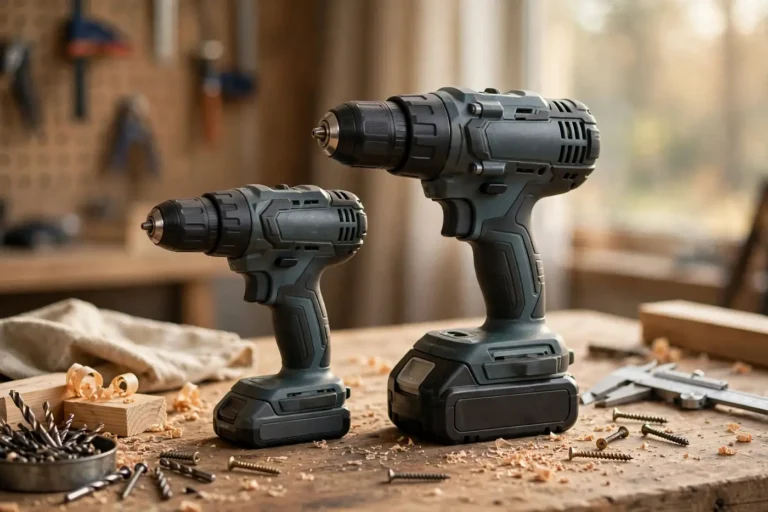
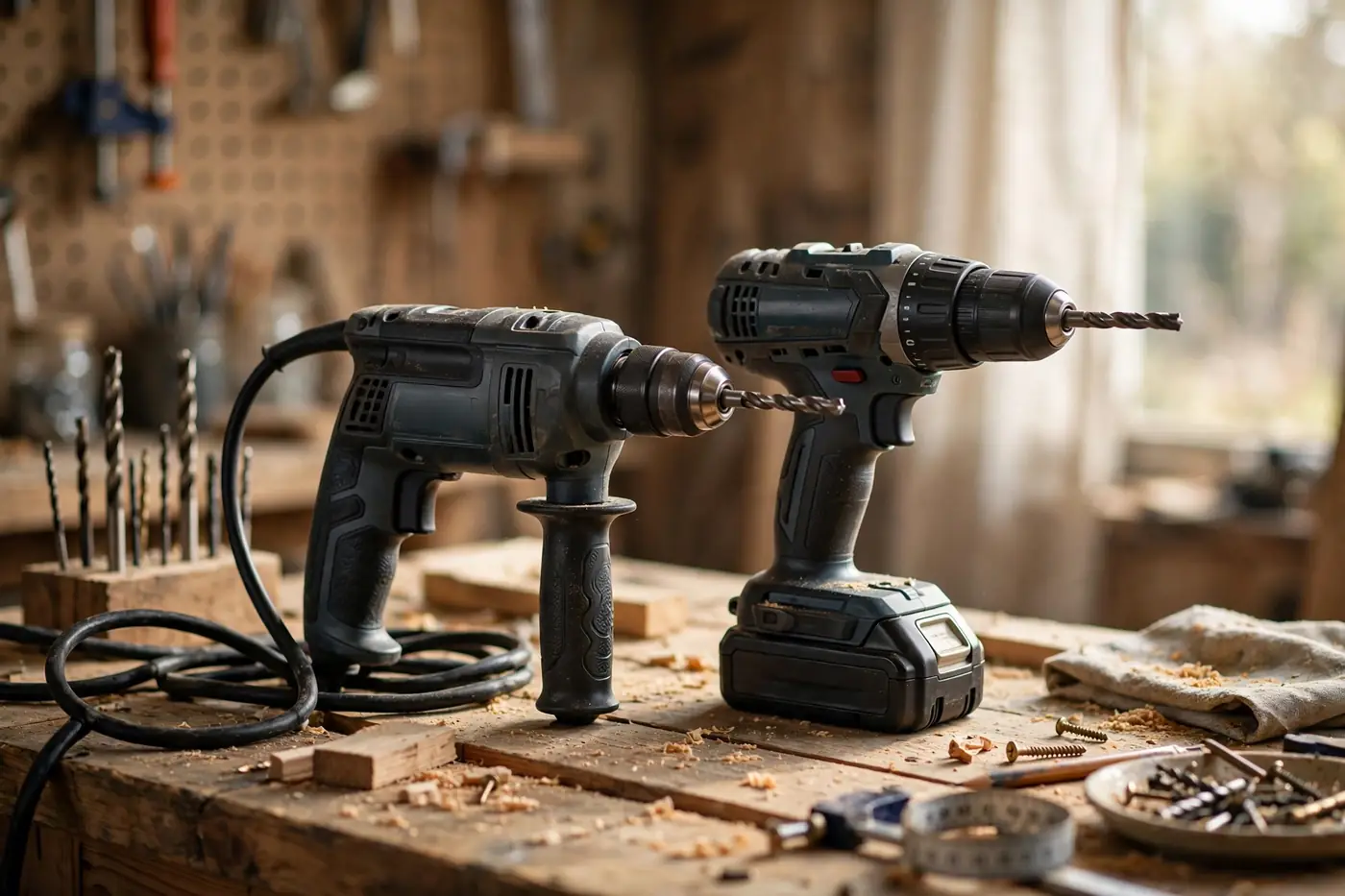
Corded tools offer endless runtime and lower prices; cordless tools offer freedom and convenience. This head-to-head comparison helps you decide which platform fits your work.
Corded or cordless? It’s the first platform decision every tool buyer faces, and it shapes every purchase after it. The short answer: corded tools win on sustained power and price, cordless tools win on convenience and portability. But the right choice depends on where you work, what you build, and how often. Here’s the full comparison.
On This Page
- The Quick Answer
- Corded Tools: Pros and Cons
- Cordless Tools: Pros and Cons
- Head-to-Head Comparison
- Decision Framework: Which One Are You?
- The Hybrid Reality: Most Shops End Up Mixed
- Key Takeaways
- Frequently Asked Questions
The Quick Answer
- Buy cordless first if you work around the house and yard, value grab-and-go convenience, and want one battery platform that powers many tools.
- Buy corded first if you do long, power-hungry jobs (sanding marathons, routing, grinding), work mostly in one shop with outlets nearby, or want the most performance per dollar.
- Most experienced DIYers end up with both — cordless for drills, drivers, and saws you carry around; corded for the shop-bound workhorses that run for hours.
Corded Tools: Pros and Cons
Where corded wins
- Unlimited runtime. A corded tool runs as long as the outlet does. No charging, no swapping packs mid-cut, no planning around battery levels. For hours-long sanding or routing sessions, this is the whole argument.
- Sustained power under load. Corded motors don’t fade as a battery drains. A corded circular saw or grinder holds its speed through long, demanding cuts in a way battery tools can only approximate.
- Lower purchase price. Without batteries and chargers in the box, corded tools typically cost noticeably less than their cordless equivalents — sometimes dramatically less.
- No battery aging. Batteries lose capacity over the years; a corded tool performs the same in year ten as year one. There’s nothing to replace.
- Lighter in hand. No battery pack means less weight at the grip — a real comfort advantage during long overhead or extended use.
Where corded loses
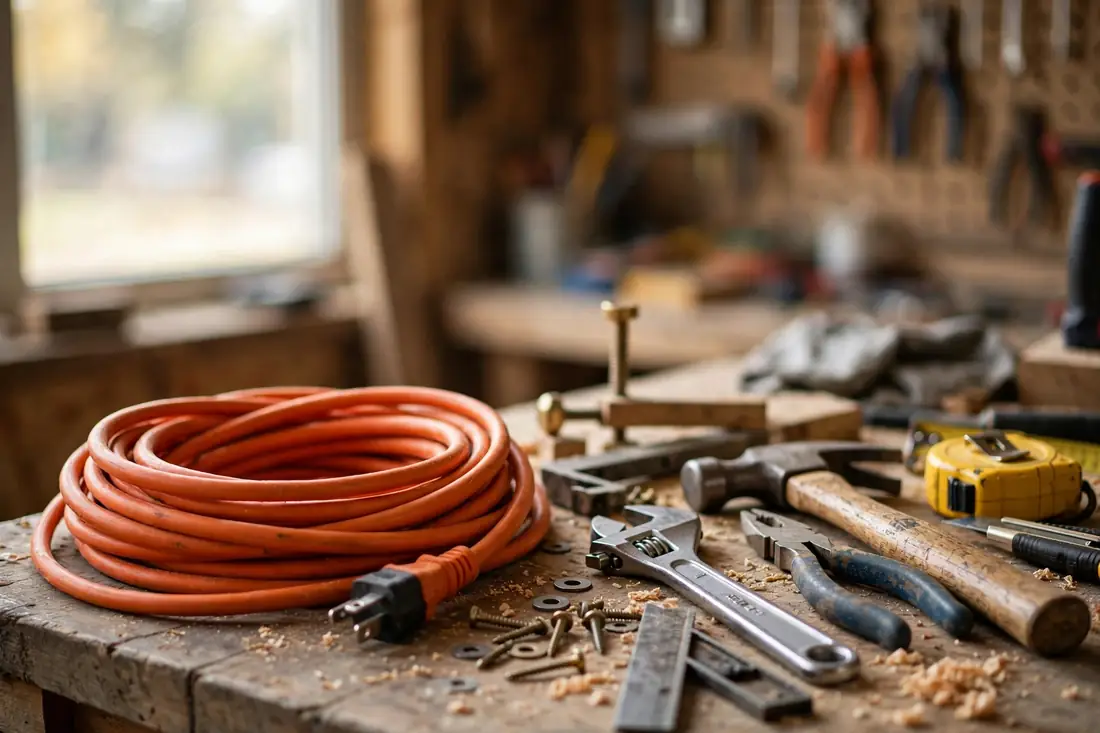
- You’re tethered. The cord dictates where you work. Outdoor jobs mean extension cords — heavy-gauge ones for high-draw tools, which are expensive and annoying to haul.
- Cords are a hassle and a hazard. They snag on corners, drape across the workpiece, and lie in wait to trip you. Managing the cord becomes part of every job.
- No good for quick jobs. Uncoiling the cord, finding the outlet, routing it safely — for a two-minute task, the setup takes longer than the work.
- Jobsite and yard limits. No outlet at the back fence or on a ladder means no tool, period.
Cordless Tools: Pros and Cons
Where cordless wins
- Total freedom of movement. Work on the roof, at the back fence, up a ladder, in a crawlspace. If you can carry the tool there, it works there.
- Grab-and-go speed. Pick up the drill, pull the trigger, done. For the hundred small tasks that make up most homeownership, this convenience compounds daily.
- One battery platform, many tools. This is the strategic win: buy into an 18V system and the batteries you already own power your drill, saw, sander, blower, and more. Each additional bare tool gets cheaper.
- Modern performance is genuinely good. Today’s cordless tools — especially brushless motors paired with high-capacity packs — handle work that used to demand a cord. For most DIY jobs, the power gap has narrowed to the point of irrelevance.
- Safer work area. No cord across the floor means one fewer trip hazard and nothing to accidentally cut through with the saw.
Where cordless loses
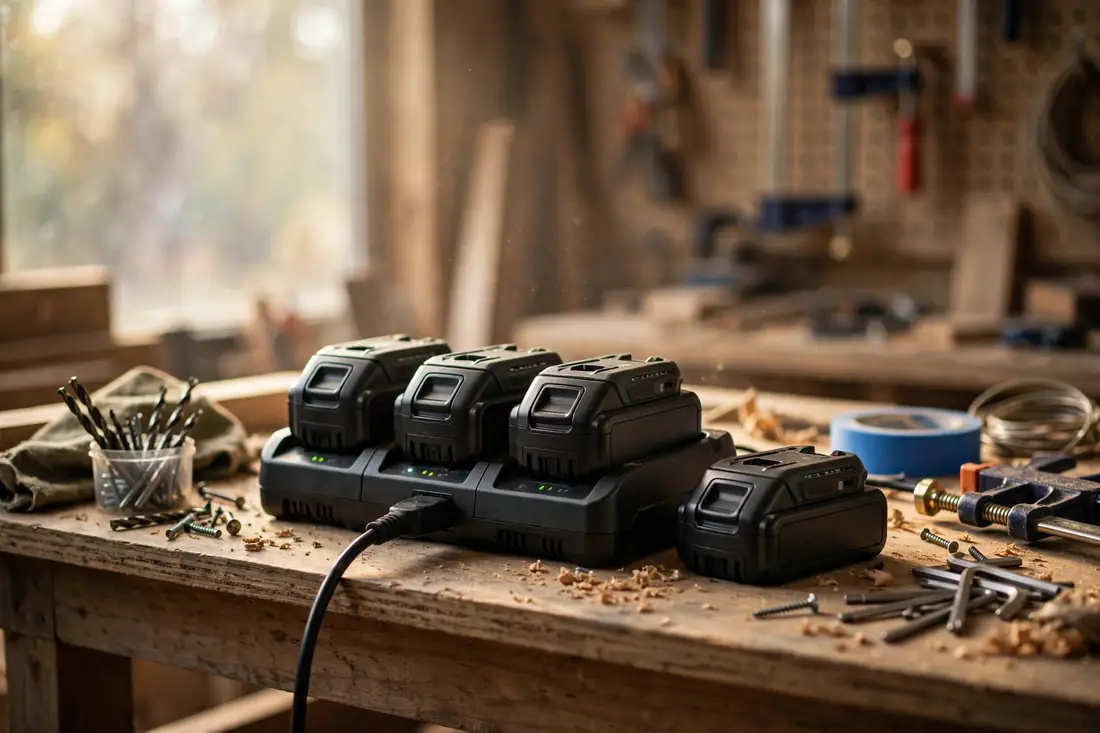
- Runtime is finite. Batteries die mid-job. You manage charge levels, own multiple packs, and plan around charging — a new chore corded tools never impose.
- Higher upfront cost. Batteries and chargers are expensive. A cordless kit costs more than the equivalent corded tool, and replacement packs down the road aren’t cheap.
- Batteries age. Even well-kept lithium packs lose capacity over the years. Eventually you replace them — a cost corded tools never incur.
- Power fades at the end. As a pack drains, some tools lose a step. Pros plan around it; it rarely bothers DIYers, but it’s real.
- Weight. Big battery packs add noticeable heft, especially overhead. Compact packs help, but then runtime drops.
Head-to-Head Comparison
| Factor | Corded | Cordless |
|---|---|---|
| Runtime | Unlimited | Limited by battery capacity |
| Sustained heavy-load power | Excellent | Very good (modern brushless) |
| Upfront cost | Lower | Higher (batteries included) |
| Long-term cost | Minimal | Battery replacements eventually |
| Portability | Tethered to outlets | Goes anywhere |
| Quick small jobs | Annoying setup | Ideal |
| Weight in hand | Lighter | Heavier with big packs |
| Tool ecosystem | Each tool standalone | Shared batteries across tools |
| Maintenance | Virtually none | Battery care and eventual replacement |
Decision Framework: Which One Are You?
Forget the abstract debate — match the platform to your life:
The apartment DIYer
You assemble furniture, hang shelves, mount a TV, maybe build a small planter on the balcony. Outlets are wherever they are, storage space is tight, and jobs are short. Go cordless, and go compact. A small 12V drill/driver kit covers nearly everything you’ll do, takes up a drawer, and needs no extension cord snaking across the living room. Corded tools would just add clutter.
The suburban homeowner
You own the house and the yard. Weekend projects: fence repairs, deck boards, trimming trees, building garden beds, drilling into studs and masonry. You need range — the back fence is a long way from an outlet. Go cordless as your main platform — an 18V system with a few batteries handles the vast majority of this work. Consider adding one corded tool later only for the jobs that punish batteries, like a full day of sanding. If you’re starting with the drill, our guide to choosing a cordless drill walks through the decision step by step.
The heavy user / dedicated shop
You spend full days in the shop: routing, planing, grinding, sanding marathons. Outlets are everywhere, the work is stationary, and runtime matters more than portability. Lean corded for the stationary workhorses — routers, sanders, shop saws — where unlimited runtime and sustained power pay off daily. Keep a cordless drill and driver on hand anyway, because even shop work involves fasteners in places cords don’t reach comfortably.
The budget-first buyer
If every dollar counts and you’ll use the tools occasionally, corded gives you the most capability per dollar — no battery premium, no replacement packs. The trade-off is convenience. For many occasional users, that’s a trade worth making.
The Hybrid Reality: Most Shops End Up Mixed
Here’s what the debate usually misses: it’s not a lifetime commitment to one side. Most well-equipped DIY shops end up hybrid without planning it. The pattern is remarkably consistent:
- Cordless: drill/driver, impact driver, circular saw, jigsaw, oscillating tool — anything you carry to the work.
- Corded: router, random orbital sander, angle grinder, miter saw — tools that sit in one spot and run for hours.
The logic is simple: portability matters most for tools you carry; runtime matters most for tools that stay put. Buy each tool on its own merits rather than pledging allegiance to a platform. If you’re building a shop from scratch, start with a cordless drill/driver kit — it’s the foundation everything else stacks onto — then add corded shop tools as specific long-runtime jobs demand them. And when you do go cordless, commit to one battery family — mixing brands means duplicate chargers and incompatible packs. Our comparison of 12V vs 18V platforms helps with the voltage half of that decision.
Key Takeaways
- Corded wins on runtime, sustained power, and price. Cordless wins on portability, convenience, and the shared-battery ecosystem.
- Apartment DIYers and homeowners should start cordless; dedicated shop workers benefit most from corded workhorses.
- Modern brushless cordless tools have closed most of the performance gap for typical DIY work.
- The smartest long-term setup is hybrid: cordless for tools you carry, corded for tools that stay put and run for hours.
- Whichever way you go cordless, stick to one battery platform to avoid duplicate chargers and incompatible packs.
Frequently Asked Questions
Are cordless tools as powerful as corded now?
For most DIY tasks, yes — close enough that you won’t notice. High-end brushless cordless tools with large packs handle drilling, sawing, and driving with ease. Corded still holds an edge in sustained, hours-long heavy-load work like production sanding or routing.
Is it cheaper to go corded or cordless?
Corded is cheaper upfront — no batteries or chargers to pay for — and cheaper long-term since there are no packs to replace. Cordless costs more initially but each additional bare tool in the same battery platform gets relatively affordable.
Can I mix corded and cordless tools?
Absolutely, and most experienced DIYers do. There’s no rule requiring platform loyalty across every tool — buy cordless where portability matters and corded where runtime matters.
How many batteries do I need for cordless tools?
Two is the practical minimum: one in the tool, one on the charger. Heavy users want three or more, ideally a mix of compact packs for light work and high-capacity packs for demanding jobs.
Do cordless batteries work across brands?
No. Each brand’s battery system is proprietary — a Brand A pack won’t fit a Brand B tool. Adapters exist but are unofficial and can void warranties. Pick one platform and build within it.
Which should a total beginner buy first?
A cordless drill/driver kit. It’s the most-used tool in any home, the cordless format removes all setup friction, and it introduces you to the battery platform you’ll likely build the rest of your collection on.
Starting your collection with the most-used tool of all? That’s the drill/driver — the one purchase where these platform lessons pay off the most. Pick the battery family first, then the drill, and every tool after it gets easier.